 海报设计2
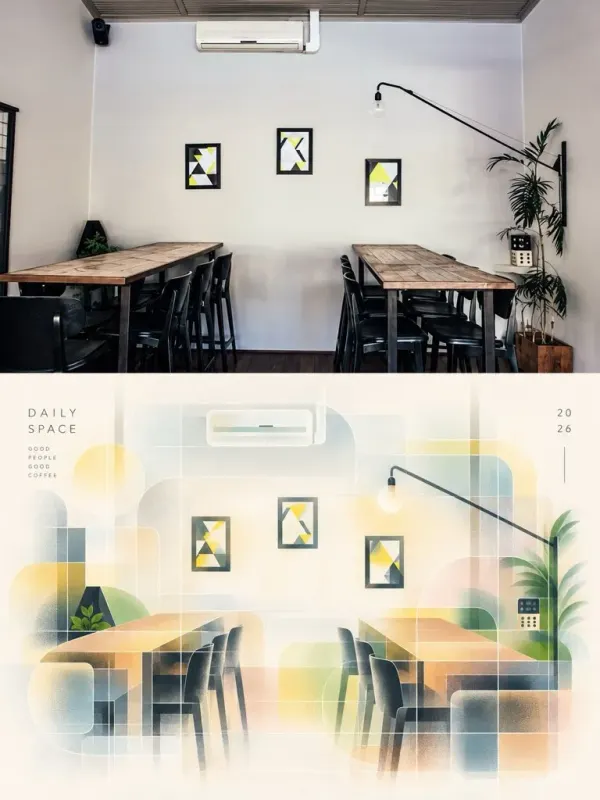
咖啡馆编辑风建筑海报
把一张室内实拍照转成上下分屏的瑞士编辑风海报:上半是原照,下半是带几何叠层和网格线的建筑插画重构。需要上传一张参考照片。
原作者示例 · @Gdgtify · 未经本站复现
先让模型推理主题的核心实物,再把它纪念碑化放在中央,周围配小人、蓝图线、网格和档案式衬线字,像博物馆复原图版。
do this for 4 famous aerospace engineers: INPUT: $ SUBJECT

Create a cinematic historical-documentary poster about $ SUBJECT.

The central idea:

take ONE physical object, structure, ruin, machine,
artifact, vehicle, landscape feature, or architectural fragment
that can embody the subject,
then monumentalize it as the dominant centerpiece.

AI must first analyze $ SUBJECT and infer:

EVENT_OR_THEME
DATE_OR_PERIOD
CORE_RELIC
LOCATION
PEOPLE_INVOLVED
SECONDARY_OBJECTS
ARCHITECTURE
SYMBOLS
CONTEXTUAL_DETAILS
OPTIONAL_SHORT_QUOTE
DIAGRAM_ELEMENTS

CORE_RELIC must be the strongest physical metaphor for $ SUBJECT.

Examples:

revolution → fortress / barricade / broken gate
space exploration → helmet / lander / spacecraft
political division → wall / checkpoint
industrial disaster → damaged machine / structure
scientific discovery → apparatus / specimen
war → fortification / vehicle / ruined structure
social movement → sign / monument / public structure

────────────────────────────────

COMPOSITION

Build the image like an archival museum reconstruction.

                  TITLE
                  DATE

        tiny technical annotations

               PEOPLE
          ↗      ↑      ↖

        ┌─────────────────┐
        │                 │
        │   MONUMENTAL    │
        │    CORE RELIC   │
        │                 │
        └─────────────────┘

    crowds / machines / terrain

      faint contextual drawings

The central object should occupy approximately
55–75% of the visual mass.

Tiny human figures should interact with it:

climb
inspect
build
destroy
repair
excavate
celebrate
observe
document
transport
assemble

Scale contrast is essential.

The relic feels enormous;
people feel historically small.

────────────────────────────────

VISUAL LANGUAGE

hybrid of:

19th-century documentary engraving
+
museum reconstruction photography
+
architectural blueprint
+
archaeological survey
+
historical atlas
+
editorial history poster

The central object itself may appear highly realistic and tactile.

Surrounding information is rendered more delicately:

thin drafting lines
measurement marks
crosshairs
circles
grids
faint maps
ghost elevations
technical silhouettes
diagram arrows
tiny captions

Do NOT make this look like a modern infographic.

It should feel like a recovered archival plate.

────────────────────────────────

MATERIAL

Use historically appropriate physical texture:

stone
rust
concrete
steel
dust
wood
earth
fabric
paper
ash
paint
metal corrosion

Show age honestly:

scratches
weathering
fractures
chips
erosion
oxidation
dust
stains

────────────────────────────────

COLOR

Mostly restrained:

warm ivory
aged paper
charcoal
sepia
stone gray
rust brown
faded black

Allow ONE historically meaningful accent color when useful:

flag color
paint
graffiti
uniform
symbolic marker

Keep saturation low.

────────────────────────────────

BACKGROUND

Warm archival drafting-paper field.

Very faint:

coordinate grids
engineering circles
topographic lines
maps
elevations
date marks
annotation blocks

These elements should nearly disappear into the paper.

────────────────────────────────

TYPOGRAPHY

Top-left or upper corner:

THE / $ TITLE
or
$ TITLE

Below:

DATE / ERA

Optional micro-copy:

2–5 short lines summarizing the historical meaning.

Typography:

elegant archival serif
small caps
museum-catalog restraint
generous tracking

Never use oversized contemporary display typography.

────────────────────────────────

ADAPTIVE RULE

If $ SUBJECT has no obvious ruin or physical object,
AI must invent the most historically credible
physical metaphor rather than creating an abstract diagram.

Examples:

DEMOCRACY →
assembly hall / ballot box / public square

INTERNET →
monumental server rack / cable junction

RENAISSANCE →
workshop / printing press / architectural fragment

AI REVOLUTION →
monumental computation apparatus

────────────────────────────────

FINAL FEEL

historical
solemn
tactile
museum-quality
documentary
monumental
research-driven

One dominant physical relic,
many tiny human narratives,
almost invisible technical drafting information,
and a sense that history has been physically excavated.

No cartoon styling.
No glossy CGI.
No generic infographic boxes.
No excessive text.此原文超过画布当前的 3000 字符上限,请精简后使用。复制内容保留完整原文。
模型信息按原帖记录。生成效果可能随模型版本和参数变化。了解内容说明
海报设计2把一张室内实拍照转成上下分屏的瑞士编辑风海报:上半是原照,下半是带几何叠层和网格线的建筑插画重构。需要上传一张参考照片。
 海报设计2
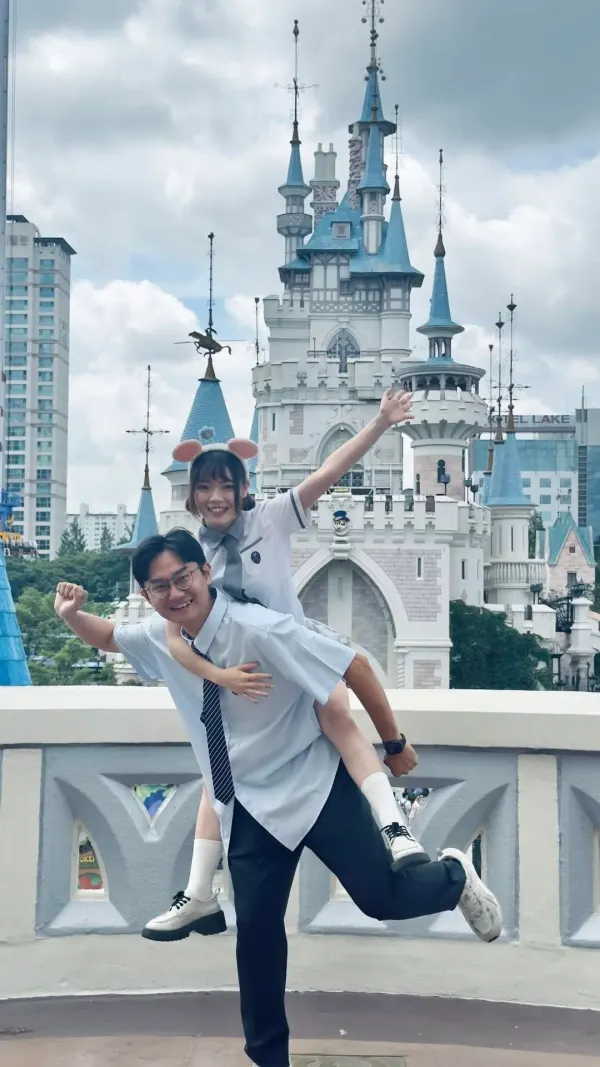
把照片里的主体缩到画面 10–20%、放在下方居中,用不超过四色的平涂色块和手工纸纹做成独立出版艺术书封面感。需要上传参考照片。
 海报设计2
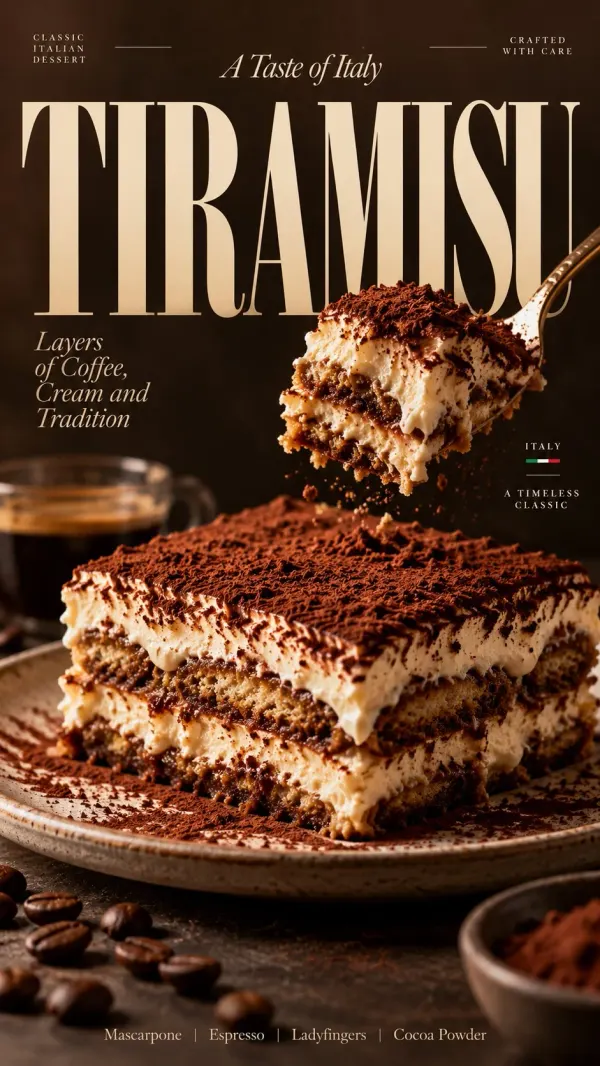
Didone 衬线超大标题与美食主体前后穿插制造纵深,再配小标签和配料行,做成高端美食杂志海报模板。